

Strategy, Culture, and Execution in Practice: How CRA Sparked Growth and Long-Term
Firm Resilience
Transformation that addressed not only processes but also people's behavior, decision-making
management and CX across the entire organization. From strategy to real change in
everyday practice.
Introduction:
Introduction:
After turbulence associated with the separation from the parent company and the impacts of the COVID-19 pandemic, Czech Airlines Technics (CSAT) faced a number of critical issues:
Employee turnover reached 12%, disrupting project continuity.
Economic downturn – the company had to recover from a deep loss (-35 million CZK) to a sustainable profit.
Poor atmosphere and low trust – employees perceived management as incompetent.
Rigidity and low flexibility – decision-making was slow and resistance to change was high.
CSAT needed to stabilize the team, increase productivity, and change the corporate culture to be prepared for future challenges.
“Strategic transformation is not about changing a logo or a slogan. It’s about setting clear priorities, cultivating trust, and creating an environment where people want to contribute to the company’s success.”
Filip Hurda, CEO Kogi
<p>After turbulence associated with the separation from the parent company and the impacts of the COVID-19 pandemic, Czech Airlines Technics (CSAT) faced a number of critical issues: <br><br class="trailing-break"></p><p><strong>Employee turnover</strong> reached 12%, disrupting project continuity. </p><p><strong>Economic downturn</strong> – the company had to recover from a deep loss (-35 million CZK) to a sustainable profit. </p><p><strong>Poor atmosphere and low trust</strong> – employees perceived management as incompetent. </p><p><strong>Rigidity and low flexibility</strong> – decision-making was slow and resistance to change was high. <br><br class="trailing-break"></p><p>CSAT needed to stabilize the team, increase productivity, and change the corporate culture to be prepared for future challenges. <br><br class="trailing-break"></p><p>“Strategic transformation is not about changing a logo or a slogan. It’s about setting clear priorities, cultivating trust, and creating an environment where people want to contribute to the company’s success.” </p><p>Filip Hurda, CEO Kogi</p>
Problem identification
Problem identification
CRA faced several key challenges: the necessity to expand its service portfolio beyond traditional broadcasting, increase profitability, and manage the economic challenges associated with inflation and unstable supply chains. Another challenge was the shortage of specialists in the market, especially in the IT and security sectors, which posed an obstacle to growth in areas such as cybersecurity and XaaS services.
1. New Strategy and More Efficient Processes
Creating a clear mission, vision, and strategic goals for all levels of the company. Elimination of duplicate activities and implementation of 51 specific initiatives to improve efficiency.
Modernization of IT systems and the design of two new customer services.
2. Transformation of Corporate Culture
Reorganization of key departments and redefining roles in management.
New recruitment strategy, strengthening of employer branding, and increasing wage competitiveness.
Implementation of a performance measurement system and linking rewards to productivity.
Enhancing managerial skills through assessments and development plans.
Setting clear standards of behavior and team rituals to improve collaboration.
3. Intensive Change Management
Establishing the role of transformation manager to support the owners of change initiatives.
Regular strategic meetings and transparent communication between management and employees.
Systematic collection and evaluation of feedback to maintain the momentum of change.
Project goals:
Project goals:
• Strengthen the market position of IT infrastructure and managed services
• Expand data center capacities and the offering of cloud services
• Increase operational efficiency with the aim of achieving 5% annual EBITDA growth
• Develop new service areas such as IoT, 5G broadcasting, and security services
• Transform corporate culture to support strategic goals and ensure employee engagement
1. New Strategy and More Efficient Processes
Creating a clear mission, vision, and strategic goals for all levels of the company. Elimination of duplicate activities and implementation of 51 specific initiatives to improve efficiency.
Modernization of IT systems and the design of two new customer services.
2. Transformation of Corporate Culture
Reorganization of key departments and redefining roles in management.
New recruitment strategy, strengthening of employer branding, and increasing wage competitiveness.
Implementation of a performance measurement system and linking rewards to productivity.
Enhancing managerial skills through assessments and development plans.
Setting clear standards of behavior and team rituals to improve collaboration.
3. Intensive Change Management
Establishing the role of transformation manager to support the owners of change initiatives.
Regular strategic meetings and transparent communication between management and employees.
Systematic collection and evaluation of feedback to maintain the momentum of change.
Possible solutions and strategy selection:
Possible solutions and strategy selection:
The CRA strategy was based on the "onion growth" model, which builds on existing assets and competencies and expands the service offerings into new areas. This included:
• Diversification of the distribution mix focusing on internal and online channels
• Strengthening digital and customer-oriented services
• Optimizing processes and effective use of data to enhance the customer experience
• Developing corporate culture aimed at promoting personal accountability, a proactive approach, and teamwork
1. New Strategy and More Efficient Processes
Creating a clear mission, vision, and strategic goals for all levels of the company. Elimination of duplicate activities and implementation of 51 specific initiatives to improve efficiency.
Modernization of IT systems and the design of two new customer services.
2. Transformation of Corporate Culture
Reorganization of key departments and redefining roles in management.
New recruitment strategy, strengthening of employer branding, and increasing wage competitiveness.
Implementation of a performance measurement system and linking rewards to productivity.
Enhancing managerial skills through assessments and development plans.
Setting clear standards of behavior and team rituals to improve collaboration.
3. Intensive Change Management
Establishing the role of transformation manager to support the owners of change initiatives.
Regular strategic meetings and transparent communication between management and employees.
Systematic collection and evaluation of feedback to maintain the momentum of change.
Implementation:
Implementation:
Strengthening Data Center Capacities – expansion with new locations such as Zbraslav and implementation of ESG standards
Digitization of Processes – introduction of self-service technologies and optimization of internal systems
Development of IoT and 5G Services – expansion of the portfolio with new technologies and products
Training and Development of Employees – programs for competency development in IT and security services
Transformation of Culture – introduction of a new narrative that emphasized accountability, teamwork, and consistency in daily activities. Teams established rituals such as STOP/START/CONTINUE for regular feedback and optimization of work.
1. New Strategy and More Efficient Processes
Creating a clear mission, vision, and strategic goals for all levels of the company. Elimination of duplicate activities and implementation of 51 specific initiatives to improve efficiency.
Modernization of IT systems and the design of two new customer services.
2. Transformation of Corporate Culture
Reorganization of key departments and redefining roles in management.
New recruitment strategy, strengthening of employer branding, and increasing wage competitiveness.
Implementation of a performance measurement system and linking rewards to productivity.
Enhancing managerial skills through assessments and development plans.
Setting clear standards of behavior and team rituals to improve collaboration.
3. Intensive Change Management
Establishing the role of transformation manager to support the owners of change initiatives.
Regular strategic meetings and transparent communication between management and employees.
Systematic collection and evaluation of feedback to maintain the momentum of change.
Results:
Results:
• Significant revenue growth while maintaining high EBITDA – increased sales and stability through higher diversification of services
• Increase in market share in the area of data centers and cloud services also due to
the successful acquisition of Cloud4Com
• Maintaining a high level of engagement and retaining key employees both in CRA and in the acquired entity
• Transformation of corporate culture led to increased employee engagement and
strengthening team collaboration (breaking down internal barriers between teams), which
supports CRA's long-term strategic goals
• Roll out of strategy and culture within the company with a high level of acceptance, understanding, and comprehension of the organization’s strategic framework
• Significant revenue growth while maintaining high EBITDA – increased sales and stability through higher diversification of services
• Increase in market share in the data center and cloud services field also thanks to
the successful acquisition of Cloud4Com
• Maintaining a high level of engagement and retention of key employees both in CRA and in the acquired entity
• Transformation of corporate culture has led to higher employee engagement and
strengthening of team collaboration (removing internal barriers between teams), which
supports the long-term strategic goals of CRA
• Rollout of strategy and culture into the company with a high level of acceptance and understanding of the organization's strategic framework
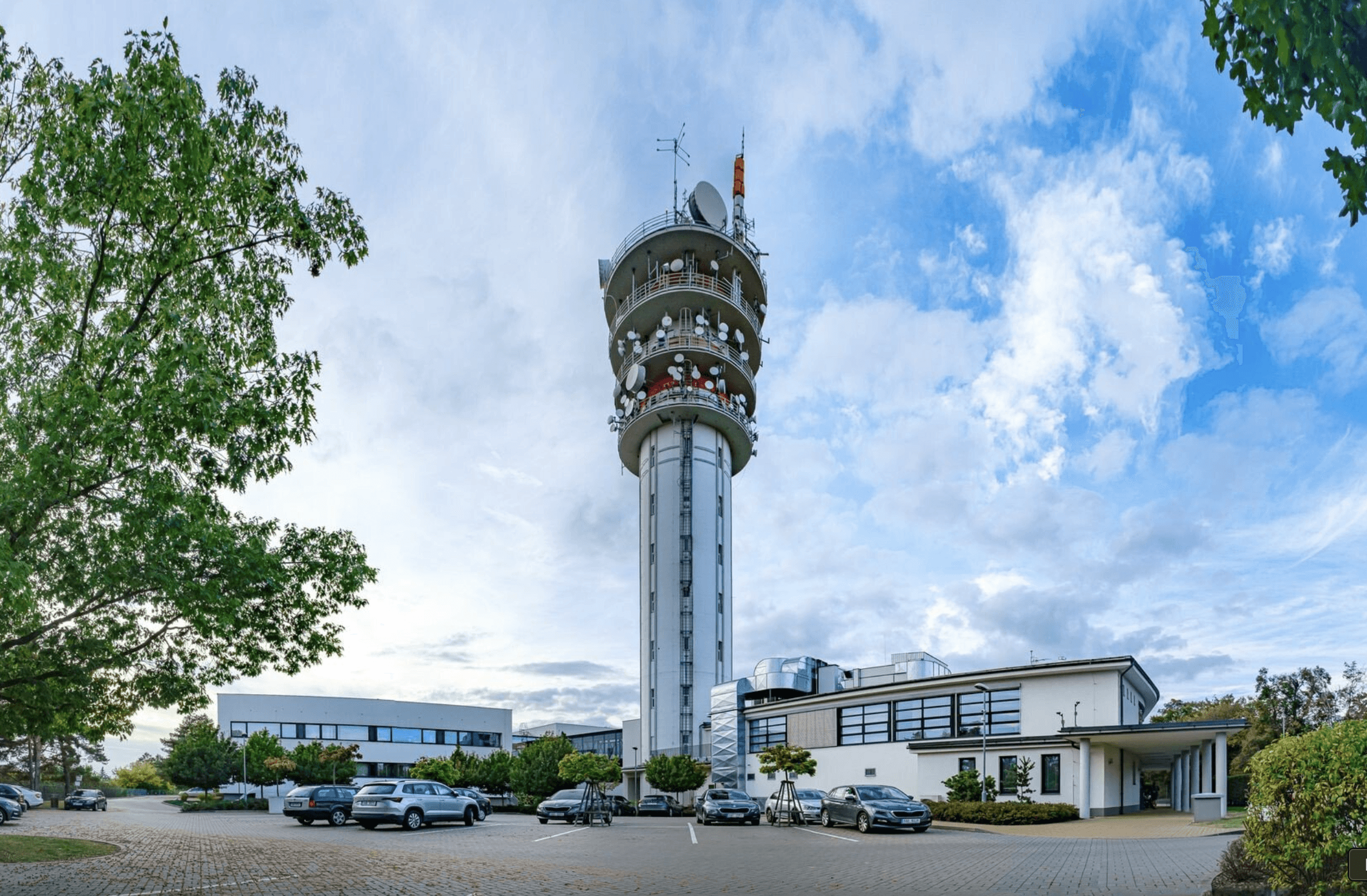
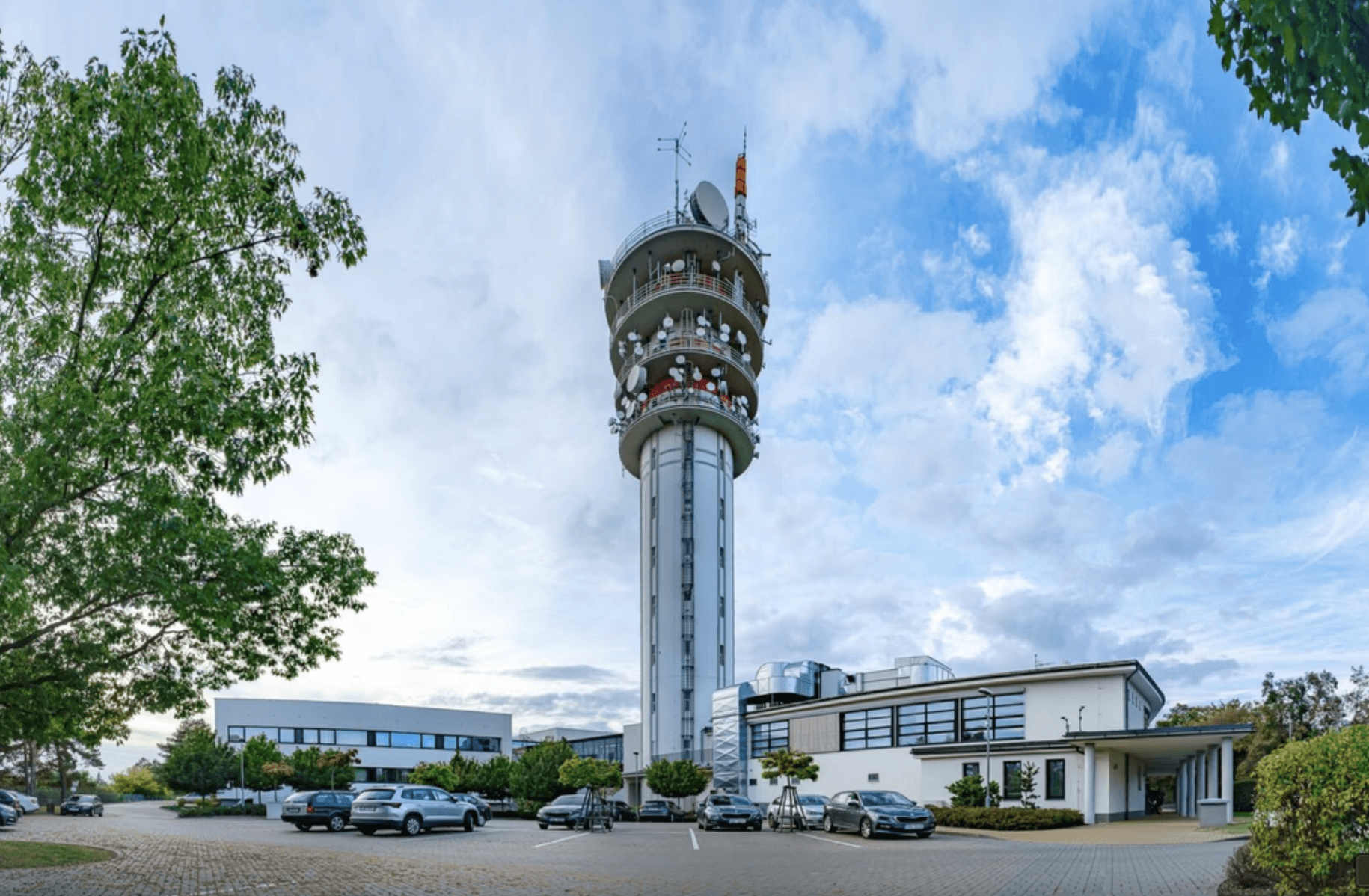
Czech Radiocommunications
Czech Airlines Technics (CSAT) is a leading company in the field of aircraft maintenance, known for its long-standing expertise, breadth of portfolio, and high standards. The company provides services ranging from heavy and light maintenance to the management of landing gears and aircraft components.






Kogi CON s.r.o.
Company ID: 03241629 | VAT Number: CZ03241629
Registered office and delivery address: Lysinská 1446/4, Prague 4, 143 00
File number: C 229157 kept at the Municipal Court in Prague
© 2025 Kogi CON s.r.o. All rights reserved.
Kogi CON s.r.o.
Company ID: 03241629 | VAT Number: CZ03241629
Office and delivery address: Lysinská 1446/4, Prague 4, 143 00
File number: C 229157 kept at the Municipal Court in Prague
© 2025 Kogi CON s.r.o. All rights reserved.