Jul 22, 2025
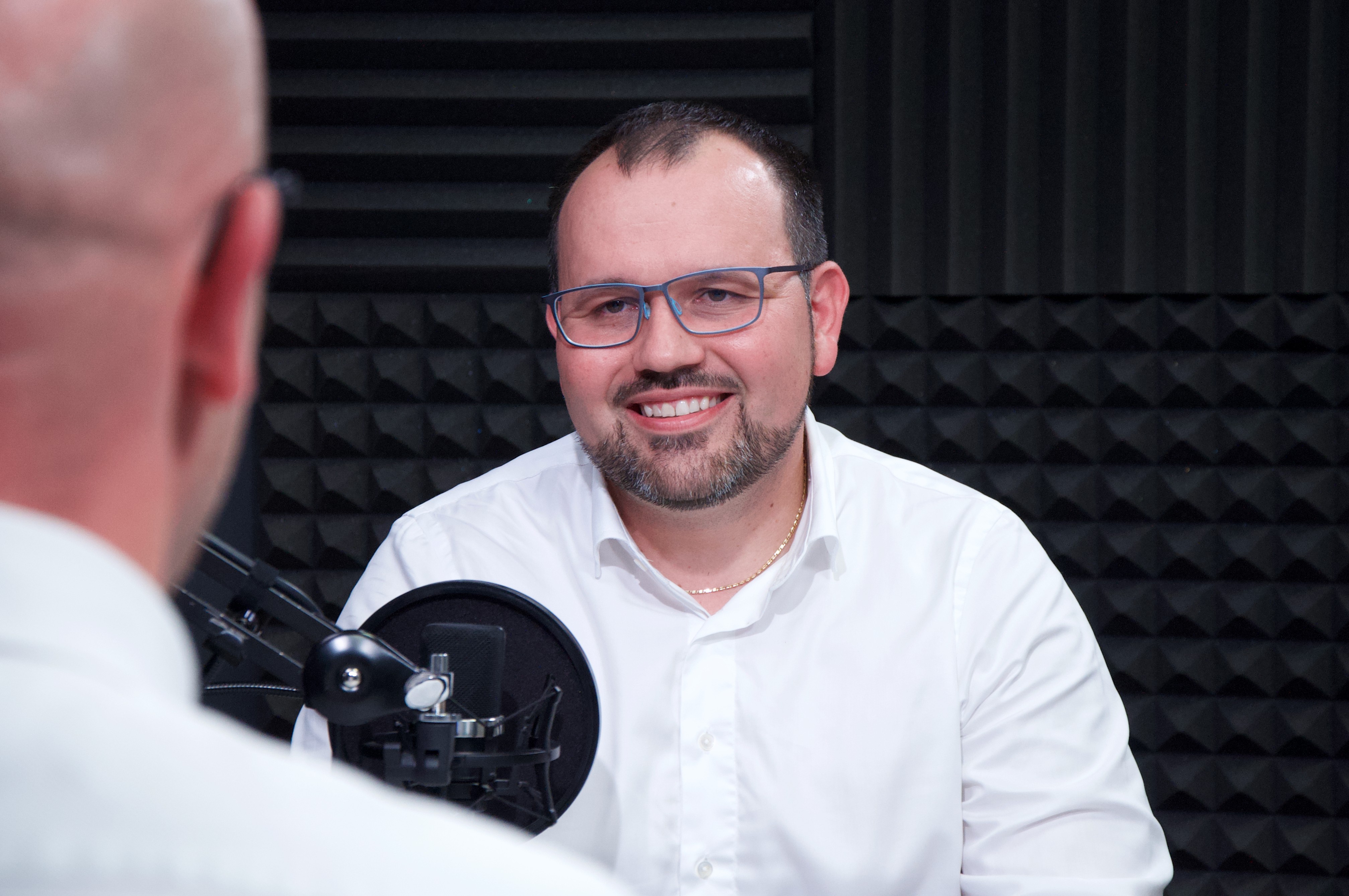
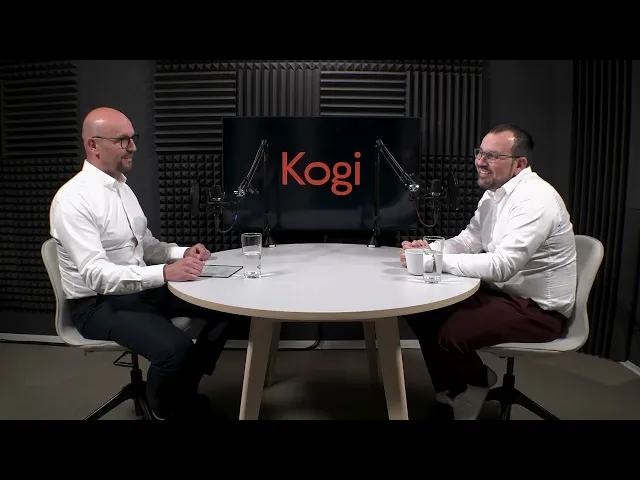
Jiří Pech has been leading PKV since its inception. Within a few years, he transformed it from a small consulting firm into a leader in the energy sector with a turnover of a quarter of a billion and an ambition to reach a billion. The key recipe? Hard work, a focus on efficiency, and constant pressure for performance – both in processes and in people. PKV is not a company for everyone. “Money is the blood of the company. Not to hoard it, but because without it, the company will stop functioning. And if we don't push the company forward, it will stop laying golden eggs.”
Watch the interview on YouTube:
PKV grows by not being afraid to do things differently. Half of its turnover comes from government contracts, where price is key. “When you want to profit from government contracts, you have to be faster and more efficient than the others. We monitor every step – from the technician's travel time to the final output. When we find that something isn't working, we adjust the process or increase the time allowances. But it can't just be a feeling; we must have it backed by data.”
The company stands on three pillars: teamwork, a hunger for new things, and efficiency. People at PKV evaluate each other – across teams and positions. “When a salesperson hands over a contract to production, they receive an evaluation in six categories. If they communicate poorly internally, they will likely communicate poorly with the client too.” The culture is set in a way that it attracts and repulses by itself. “Some people decide to leave when they realize it’s not for them. And that's okay.”
Growth has also brought mistakes. Jiří Pech openly admits that he delegated recruitment to middle management too quickly. “Suddenly we were hiring people who wanted to be part of a successful company but did not want to drive the company forward. That's a big difference.” Therefore, PKV today emphasizes that every new person not only fits in but primarily moves the company forward. The middle management is motivated by results – they have a share in the profit and learn to understand the connections between team performance and economic results.
PKV invested in offices that have won the Office of the Year award. However, it’s not about design, but about how the environment influences behavior. “We have limited home office. When you're not at the company, what keeps you there? Culture is not created at home.”
In the future, PKV wants to grow not only in volume but also in technology. It is developing its own software for energy management and expanding abroad. “By 2030, Czechia will be missing the output of one Dukovany. We are preparing for that. The vision is clear – to help companies manage the future where energy will be expensive and scarce.”
What else will you find answered in the podcast?
How to tell that a new employee won't push the company forward?
Why is PKV not afraid to say goodbye to people even during the probation period?
How does the evaluation across teams work and why is it more efficient than traditional HR processes?
What does efficiency mean for PKV in practice and how does it measure it?
Why does Jiří Pech say that he invested 50 million in growth, but burned 60% of that?
Listen to the entire podcast on Spotify or Apple Podcasts:
Kogi CON s.r.o.
Company ID: 03241629 | VAT Number: CZ03241629
Registered office and delivery address: Lysinská 1446/4, Prague 4, 143 00
File number: C 229157 kept at the Municipal Court in Prague
© 2025 Kogi CON s.r.o. All rights reserved.