Nov 20, 2025
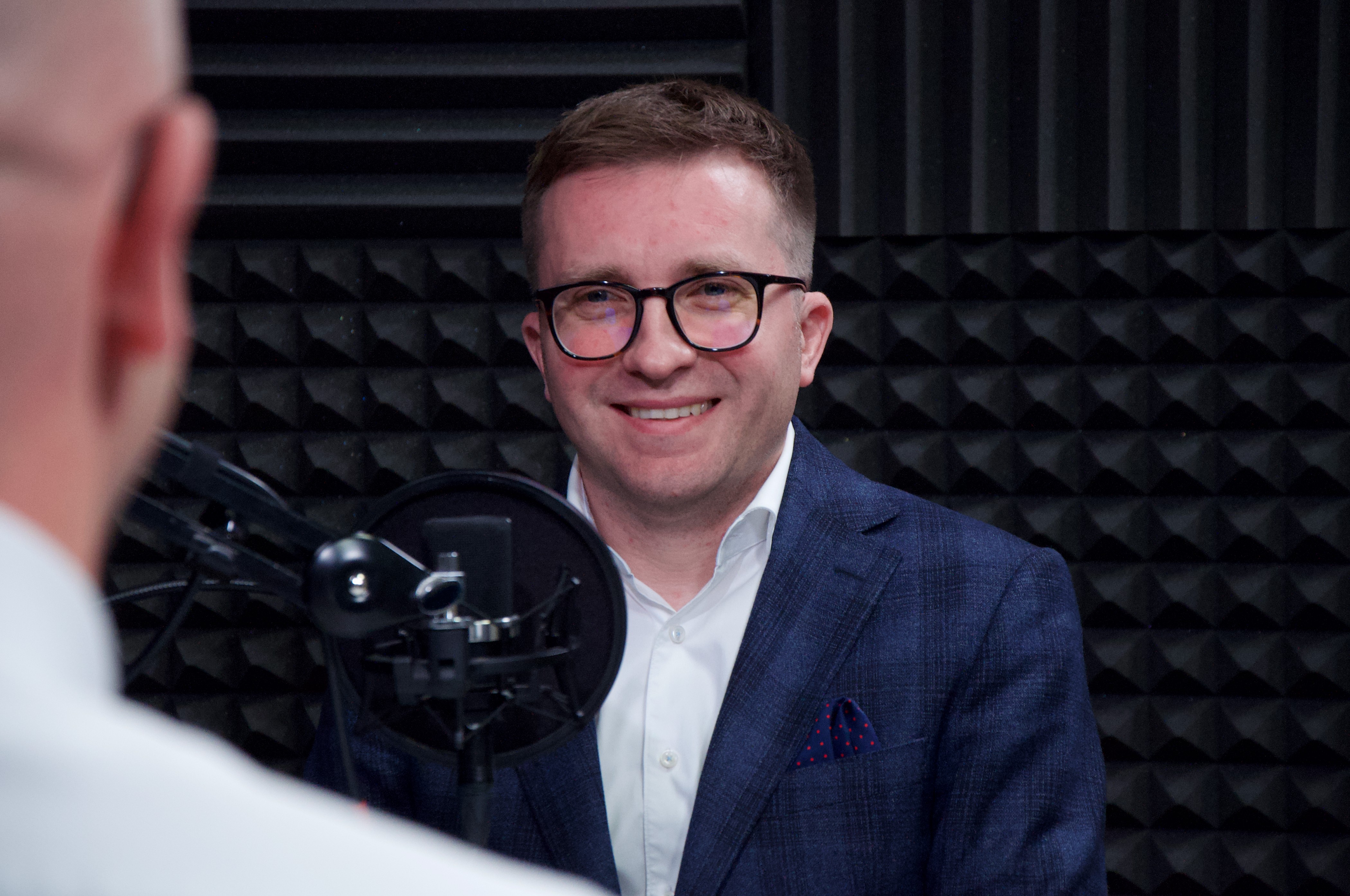
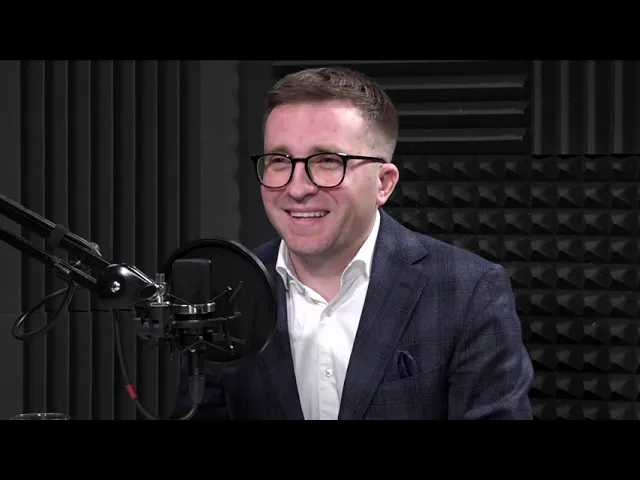
CEO of GLS Czech Republic Petr Pěcha talks about how to turn a "reliable carrier" into the number one in logistics in the Czech Republic. At the center are three things: an adult corporate culture where decisions are made as low as possible; trust, which replaces the hierarchical "respect"; and a relentless ambition to grow. In the podcast CEO on the edge, he describes the first months of transformation, open communication (breakfasts, all-hands, surveys) and the composition of the new management.
Pěcha also defines the role of a leader: no naive "companies without managers", but clear responsibility of the CEO for change – and a willingness to be "down" in operations, where packages are sorted. He views artificial intelligence as the "twelfth player", but authenticity and example remain key.
Listen to the interview on YouTube:
GLS in the Czech Republic is changing its ambitions and approach. After years of focusing on stable profit and being a "quality carrier", it adds a growth mindset – to become the market leader and to be a partner to e-shops even in peak season. Pěcha builds the transformation on a simple equation: first grow internally, then we will grow externally. Practically, this means opening up communication (regular breakfasts, all-hands, anonymous questions), continuously measuring the mood in the company (survey return rate of 93.5 %) and making bold, yet sensitive changes in the team. A new commercial and financial director has joined, HR is becoming part of the closest management – while also keeping the drivers with long memories of the company (a director with 16 years in the company).
According to Pěcha, "ownership" is built on trust: people must have the authority to make decisions and the ability to make mistakes without punishment – otherwise, responsibility will never take hold. He himself admits to the "right of veto", but does not want to use it; instead of compromises, discussions in the team continue until the best solution emerges. An important sign of the shift within the company is that anonymous questions will become a signed open debate – and ultimately direct, everyday problem-solving without questionnaires.
He approaches values informally, but rigorously: "People are the first priority" is displayed above his chair – not for others, but as a personal reminder. And the transformation of culture must not dull empathy: even difficult decisions are made with sensitivity to people, without a triumphant feeling of "purge".
In the coming year, Pěcha expects two key tests: the consolidated leadership must deliver visible changes and the entire company must "open their minds" and bring seemingly nonsensical ideas that management itself would not come up with – and above all, bring them to realization.
What other answers can you find in the podcast?
What were the very first steps of the transformation and why did they start with conscious "listening to business" instead of quick fixes?
How is "ownership" practically implemented: when not to compromise, when not to misuse the right of veto and how to replace "respect" with trust?
How do anonymous questions evolve into a culture of adults – and what three phases does Pěcha measure this by?
How does AI actually help in company leadership (as the "12th player"), but why will it not replace the authenticity of a leader?
What three principles does Pěcha recommend to every CEO in transformation: "erase the old model from your mind", "the CEO carries full responsibility" and "be in operations, not just in the boardroom"?
Kogi CON s.r.o.
Company ID: 03241629 | VAT Number: CZ03241629
Registered office and delivery address: Lysinská 1446/4, Prague 4, 143 00
File number: C 229157 kept at the Municipal Court in Prague
© 2025 Kogi CON s.r.o. All rights reserved.